
If you’ve felt a little more sniffling and sick-day scrambling in your house this month, you’re not imagining it. COVID-19 activity is climbing in nearly every state this August — right as backpacks come out of the closet and classrooms fill back up.1 Here’s what’s actually happening, and what to do about it as a family, not just as a headline.
Key takeaways
- COVID-19 cases are rising in nearly all 50 states this August, driven by two new variants nicknamed “Nimbus” and “Stratus.”1
- This wave has been milder so far than past summer surges, but it still spreads fastest in air-conditioned indoor spaces, classrooms, and family gatherings.2
- An updated fall vaccine targeting the newer JN.1-lineage XFG strain is expected to be available in September 2026.3
- If your child (or you) feels off heading into the school year, don’t guess — call or text your doctor for a same-week visit and a plan you help make.
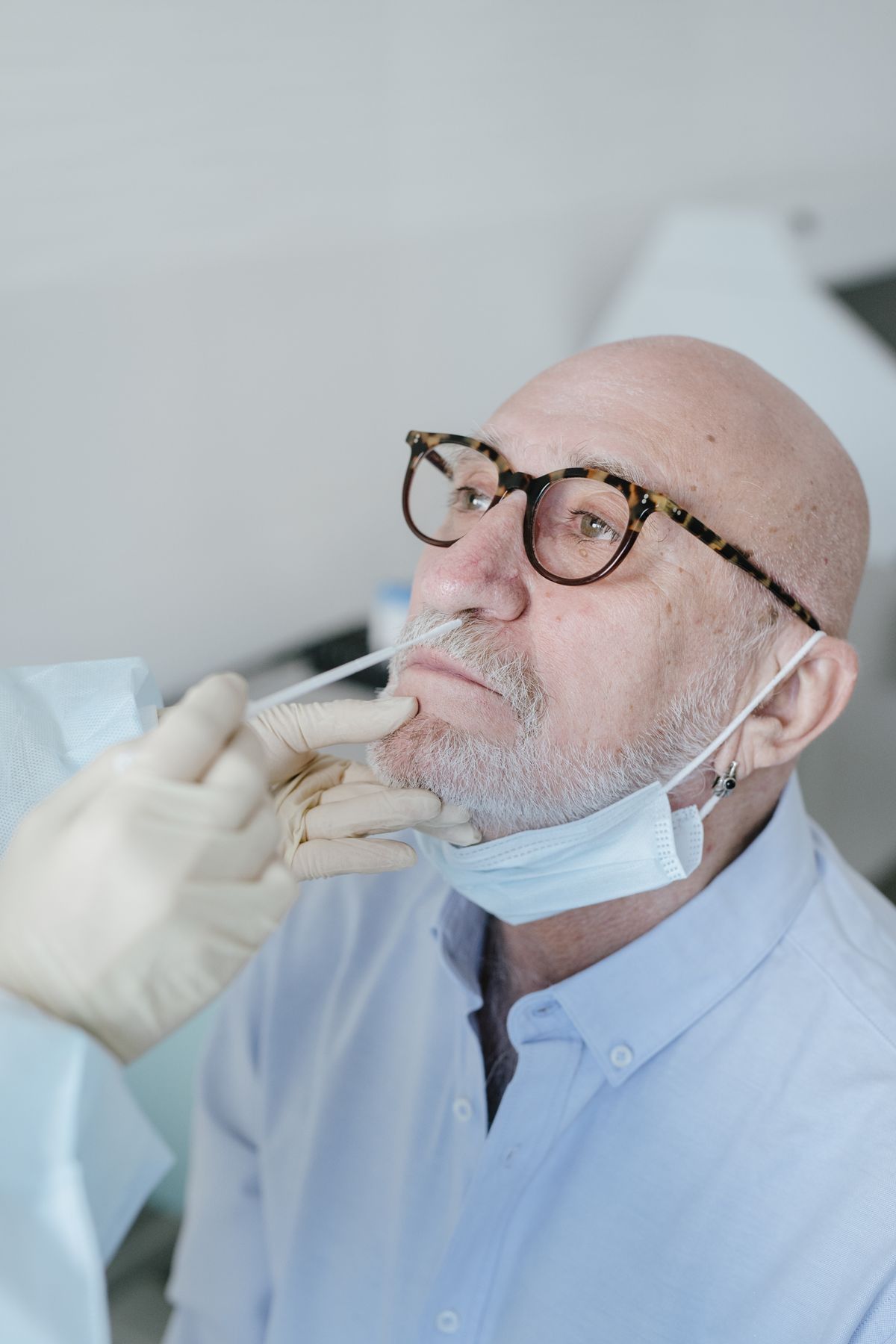
Why Are COVID Cases Rising in the Middle of Summer?
It sounds backwards — COVID surges are supposed to be a winter thing — but this is actually the third summer in a row we’ve seen a wave build in July and August. CNN reported that the traditional respiratory virus season hasn’t even started yet, and COVID is already climbing.1 Part of the explanation is simple: summer heat pushes people indoors into air-conditioned spaces, which behaves a lot like winter crowding when it comes to spreading a respiratory virus. Wastewater surveillance data shows SARS-CoV-2 levels up significantly compared to July, with the South and West seeing the biggest jumps.2
Which Variants Are Behind This Wave, and Should You Be Worried?
Two variants are doing most of the work right now. NB.1.8.1, nicknamed “Nimbus,” drove the wave’s early growth, and a newer recombinant strain called XFG.1.1, or “Stratus,” has since overtaken it in many parts of the country.2 The reassuring part: despite wider spread, this wave continues a multi-year trend toward milder illness, with fewer hospitalizations and deaths than comparable summer surges in prior years.1 That’s genuinely good news — but “milder on average” still means some people, especially young children, older adults, and anyone with a chronic condition, can get hit harder. That’s exactly the group we want checked in with directly, not left to guess.
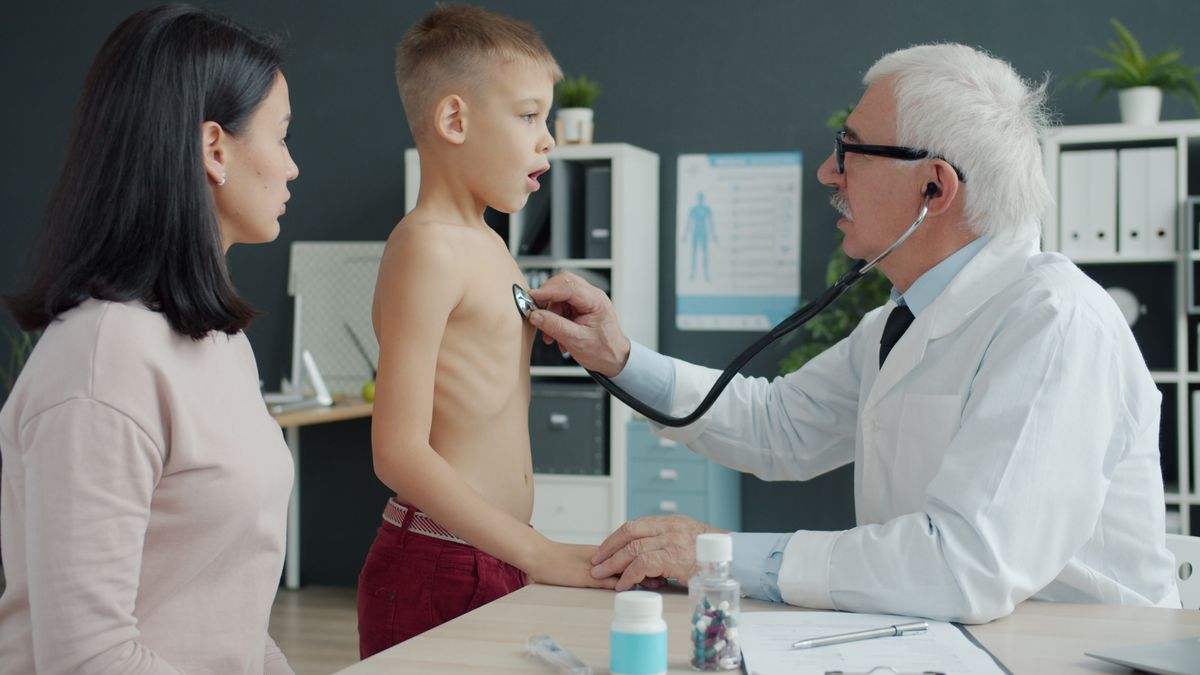
What Symptoms Should Send You to Get Tested, Especially With School Starting?
Fever, sore throat, congestion, cough, fatigue, and body aches remain the most common symptoms this wave — and they overlap heavily with the usual back-to-school colds and strep throat rounds.2 That overlap is exactly why testing matters more than guessing: knowing whether it’s COVID, strep, or a garden-variety cold changes how long a child should stay home, whether antibiotics make sense, and whether anyone in the house needs closer monitoring.5 If you’re not sure whether a runny nose warrants a school day off or a same-week visit, that’s a judgment call we’d rather make together than leave you to sort out alone at 6 a.m.
Is the New Fall Vaccine Worth Getting, and When?
The FDA has directed manufacturers to build this fall’s updated COVID-19 vaccine around the JN.1-lineage XFG strain, with availability expected in September 2026.3 Current CDC guidance continues to recommend it most strongly for adults 65 and older and anyone who is moderately or severely immunocompromised, while leaving room for shared decision-making for everyone else based on individual risk and preference.4 That “shared decision-making” language is the whole point of primary care done right: this isn’t a one-size-fits-all recommendation, it’s a conversation about your family’s actual risk factors, schedule, and history.

When Should You Call Your Doctor Instead of Waiting It Out?
Most of this wave is mild, and most people recover at home with rest and fluids. But we’d rather hear from you a day too early than a day too late. Reach out if fever lasts more than three days, if breathing feels labored or a child seems unusually lethargic, if symptoms improve and then suddenly worsen, or if anyone in the house is over 65, pregnant, or immunocompromised. And honestly — reach out even if it’s “probably nothing.” A five-minute call or text often saves a worried weekend, and it’s a lot easier to get ahead of an illness than to catch up to one.
Feeling off, or not sure if it’s COVID, a cold, or something else? Call or text our office. As a DocTalker patient, you get direct access to your physician and same-week visits — no urgent-care waiting room, no guessing games. We’ll help you figure out what’s going on and decide the next step together.
Frequently Asked Questions
Is this summer COVID wave more dangerous than earlier ones?
No. Case counts are up, but hospitalizations and deaths remain lower than comparable summer surges in previous years, continuing a multi-year trend toward milder illness.1
When will the updated 2026–2027 COVID vaccine be available?
The FDA has directed that this fall’s formula target the JN.1-lineage XFG strain, with rollout expected in September 2026.3
Should my child still go to school with cold-like symptoms?
It depends on the symptoms and whether fever is present. Because COVID, strep, and common colds overlap so much this time of year, testing is often the fastest way to get a clear answer and an accurate return-to-school timeline.5
How is DocTalker different from urgent care for something like this?
You reach your own physician directly by call or text, get a same-week visit instead of a waiting room, and make decisions about your care together — not a one-time visit with a stranger who has never seen your chart.
References
- CNN Health — “The traditional respiratory virus season hasn’t started, but Covid is already climbing” (Aug. 20, 2026)
- TODAY.com / NBC News — “Summer COVID Surge? As Cases Rise, See 2026 Quarantine Guidelines, Symptoms to Watch”
- U.S. FDA — “COVID-19 Vaccines (2026-2027 Formula) for Use in the United States Beginning in Fall 2026”
- CDC — COVID-19 Vaccination Routine Guidance for Health Care Providers
- CIDRAP, University of Minnesota — “Back to School: What You Need to Know”