
Key takeaways
- The CDC has confirmed 3,886 US measles cases in 2026, the worst year since 1991.
- Two doses of the measles vaccine (MMR) give about 97% lifetime protection.
- Adults with no record of vaccination or immunity should ask their doctor about an MMR dose.
- If you suspect exposure, call or text your DocTalker physician before visiting.
By DocTalker Family Medicine | October 5, 2026
If measles feels like a disease from your grandparents’ era, this week’s numbers say otherwise. The CDC now counts nearly 3,900 confirmed U.S. cases in 2026, and Pennsylvania just reported its fifth measles-related death.1,2 At DocTalker, we would rather you hear about this from your own doctor than from a headline. Here is what is going on, in plain language, and what the measles vaccine can do for your family this week.
What is happening with measles in the US right now?
The latest CDC update shows 3,886 confirmed cases this year, including 228 new cases in a single week, the eighth straight week of triple-digit increases.1 Pennsylvania leads with 977 cases, followed by South Carolina and Utah. Public health reporting describes this as the worst measles year since 1991.3 About 95% of patients nationwide are unvaccinated or have an unknown vaccination status, and roughly 9% have needed hospital care. In Pennsylvania, about one in five patients (195 of 977) was hospitalized.1

Why does measles matter even if you feel healthy?
Measles is one of the most contagious viruses we know. It spreads through the air, and the virus can linger in a room after an infected person has left. Most people recover, but complications such as pneumonia and brain swelling can be serious, and young children, pregnant women and people with weakened immune systems are at highest risk.4 The encouraging part: two doses of the measles vaccine provide about 97% lifetime protection.1,4 That is one of the best returns on a ten-minute visit in all of medicine.
Who should check their measles vaccine status?
The CDC recommends a first dose at 12 to 15 months and a second at 4 to 6 years. Adults born in 1957 or later with no record of vaccination or immunity generally need at least one dose, and some adults, such as college students, health care workers and international travelers, may need two. Babies traveling abroad can receive an early dose starting at 6 months.4 If you are not sure what you received as a child, don’t guess, and don’t panic. A quick conversation, and sometimes a simple blood test, can settle it.
What does proactive care look like at DocTalker?
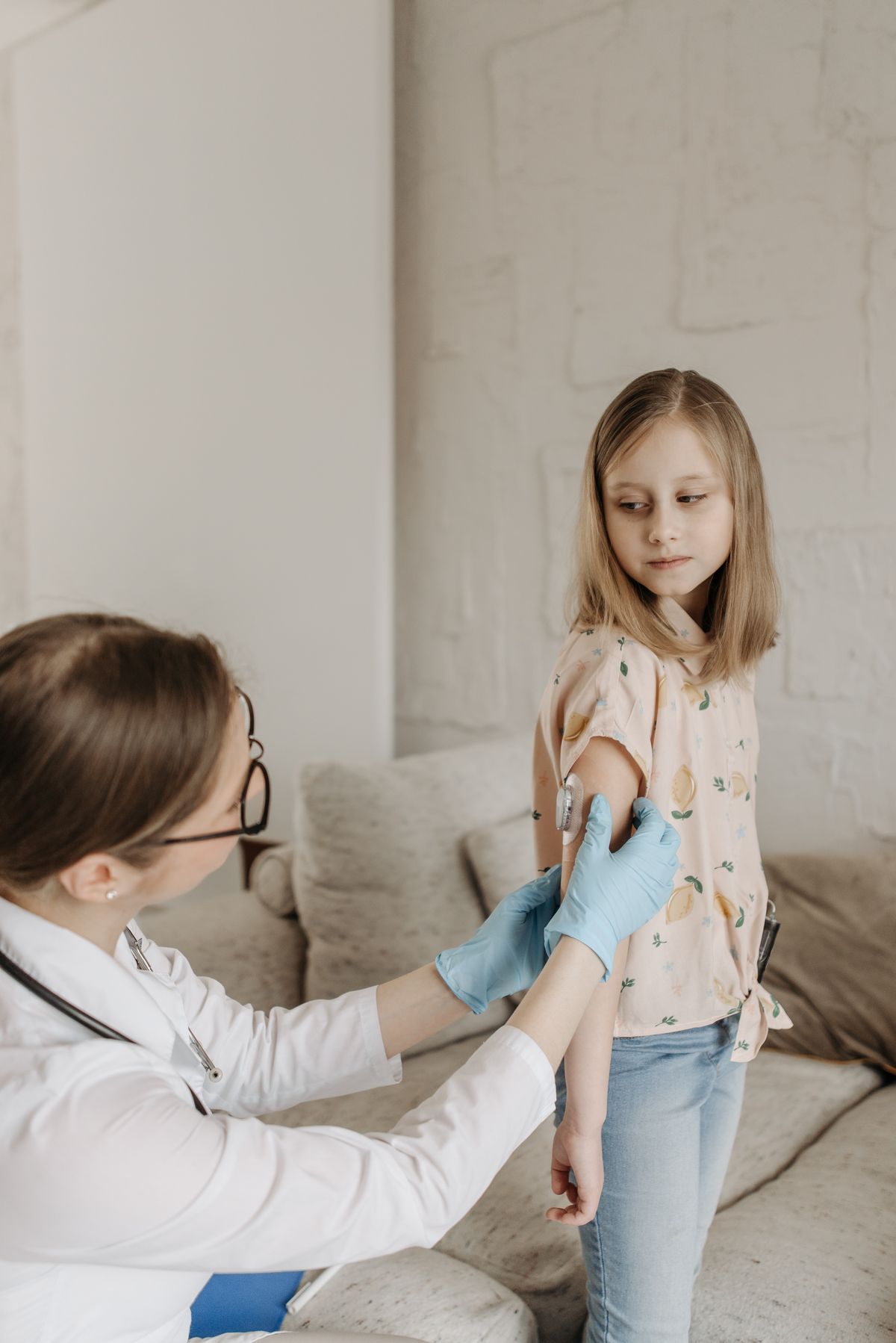
Proactive care means we don’t wait for an outbreak to reach your zip code. When you are our patient, you can call or text your physician directly: “Did my son get his second MMR?” “We’re flying to see family, what should we do?” “I was born in the 1960s, am I covered?” We will pull your records, answer plainly, and, if a vaccine makes sense, get you in the same week.
This is a decision we make with you. We will explain the benefits, the rare risks and your options, and we will respect your questions. Those questions deserve real answers from a doctor who knows you, not a rushed ninety seconds or a social media thread.

If you or a family member develops fever, rash, cough, runny nose or red eyes after a possible exposure, call before walking in so we can protect other patients in the waiting room.
Call or text your DocTalker physician today at (703) 938-4600. We will check your records and get you a same-week visit if you need one. doctalker.com
Frequently asked questions
Is measles really back in the US?
Yes. The CDC has confirmed 3,886 measles cases in 2026, with large outbreaks in states including Pennsylvania, South Carolina and Utah. Public health reporting calls it the worst year since 1991.
How well does the measles vaccine (MMR) work?
Two doses of the MMR vaccine provide about 97% lifetime protection against measles.
What are the symptoms of measles?
Measles typically starts with high fever, cough, runny nose and red, watery eyes, followed by a rash that begins on the face and spreads. Symptoms usually appear 7 to 14 days after exposure.
I am not sure I was vaccinated. What should I do?
Talk with your doctor. We can look for records, order a blood test if appropriate, or give an MMR dose. Getting an extra dose is not harmful.
What should I do if I think I was exposed to measles?
Call your doctor before walking in so staff can protect other patients. Isolate from others, especially infants, pregnant women and people with weakened immune systems, until you have been evaluated.