
- At least four separate foodborne illness outbreaks are active in the US right now: Salmonella tied to broccoli sprouts, a growing Salmonella Newport outbreak, and newly reported Listeria and E. coli O157:H7 outbreaks.[1][2][3][4]
- Most food poisoning resolves at home, but diarrhea lasting more than 3 days, a fever above 102°F, bloody stools, or signs of dehydration are reasons to call your doctor.[4]
- Kids, older adults, pregnant people, and anyone immunocompromised are more likely to get seriously ill and should be seen sooner rather than later.[6]
- Check recalled products against your kitchen (broccoli sprouts from Evergreen Fresh Sprouts were recalled September 10) and throw them out or return them rather than taste-testing.[3]
This week’s health story isn’t one big headline. It’s several smaller ones stacking up at once. As of this week, US health officials are tracking at least four separate foodborne illness outbreaks: Salmonella tied to broccoli sprouts, a slow-growing Salmonella Newport outbreak with no identified source yet, and newly reported Listeria and E. coli O157:H7 outbreaks still under investigation.[1][2][3][4] This comes on the heels of a massive Cyclospora outbreak that sickened more than 13,000 people this summer before the CDC declared it over earlier this month.[5] If your grocery list and your news feed are both full of recall notices right now, here’s what’s actually going on and when it’s worth a call to our office.
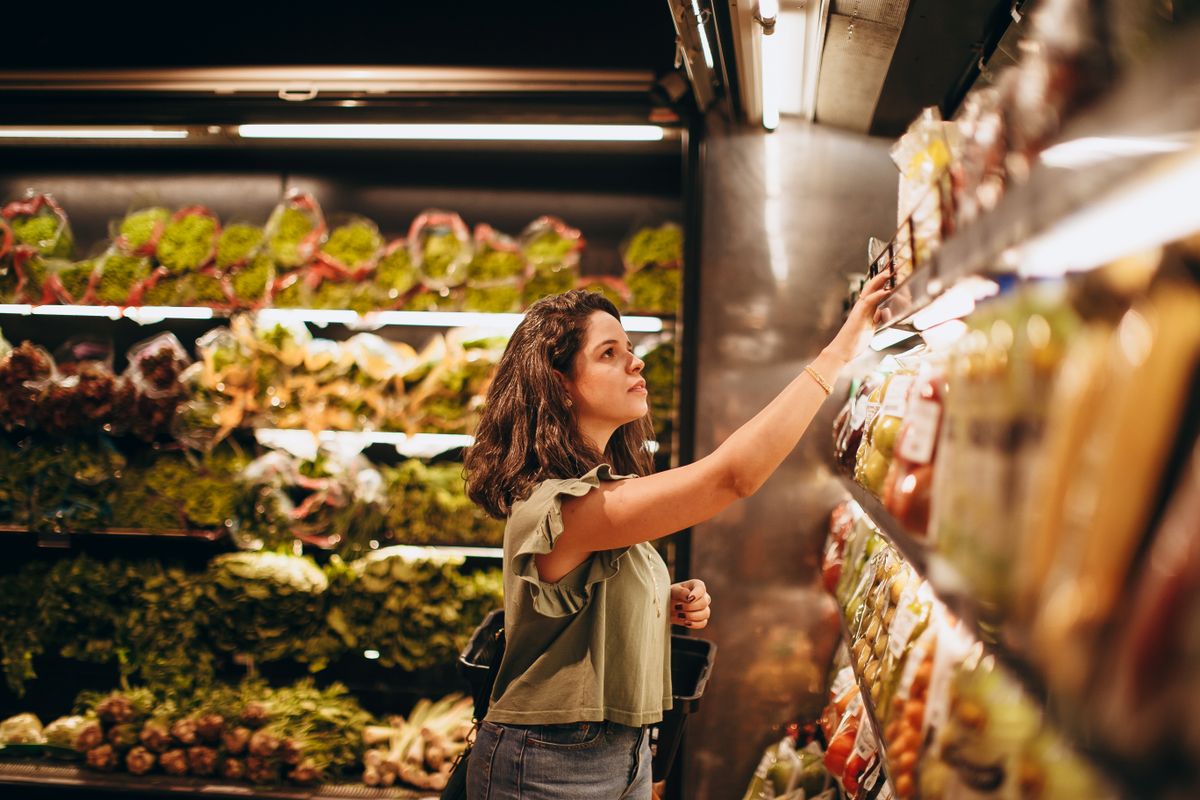
What’s Actually Happening Right Now?
Four outbreaks are active at the same time, though none has reached the scale of this summer’s Cyclospora outbreak:
- Salmonella Bovismorbificans (broccoli sprouts): 32 illnesses across 6 states and 3 hospitalizations. Evergreen Fresh Sprouts, LLC recalled the product on September 10; if you have broccoli sprouts at home, throw them out or return them rather than trying to judge whether they’re contaminated.[3]
- Salmonella Newport: 97 confirmed illnesses and climbing, with no specific food identified yet, so there’s nothing particular to avoid beyond routine food safety habits.[4]
- Listeria monocytogenes: 40 patients identified nationally; the source is still under investigation.[2]
- E. coli O157:H7: 25 patients identified; also still under investigation.[2]
Health officials note the true number of illnesses in any outbreak is usually higher than the confirmed count, since many people recover at home without getting tested and testing itself takes time to catch up with a spreading outbreak.[3] None of this means your kitchen is unsafe, and it doesn’t mean you need to avoid produce altogether, but it’s a good week to double-check any recalled products against what’s actually in your fridge and pantry.
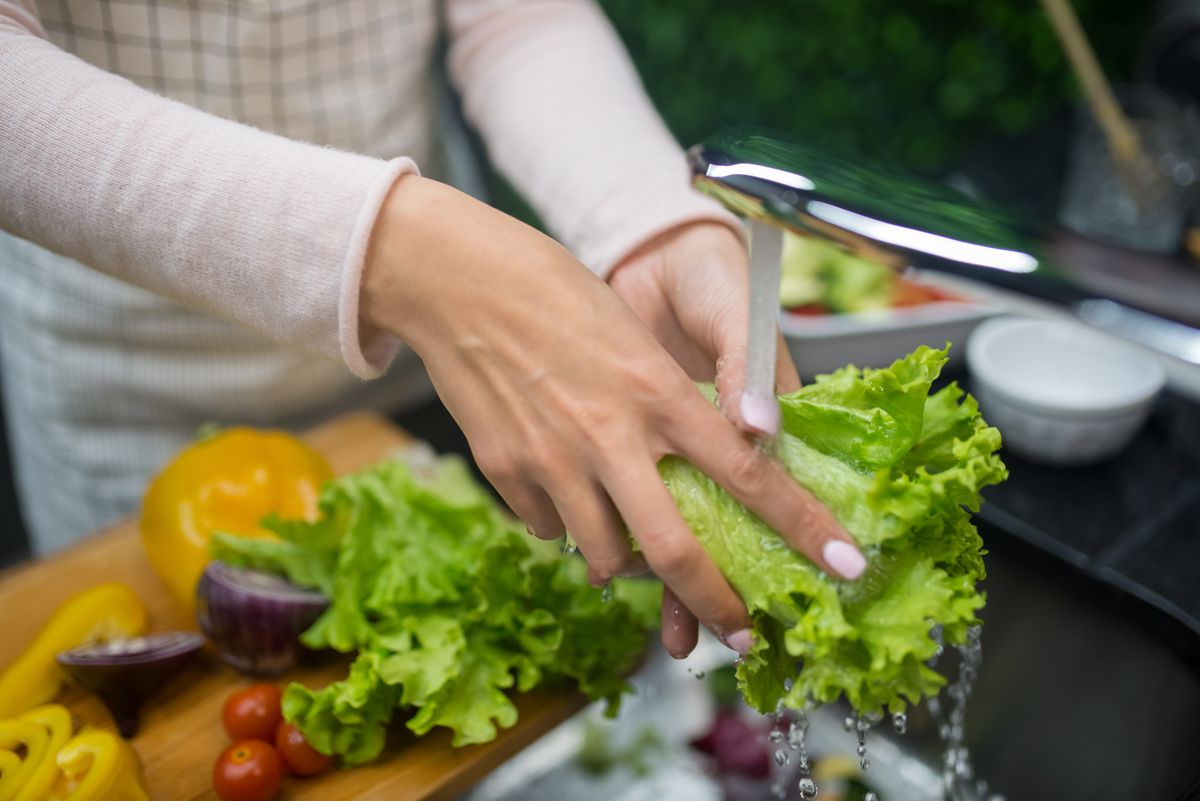
When Should You Call Your Doctor?
Most food poisoning runs its course in a day or two with rest and fluids. But certain symptoms are your body telling you not to wait it out: diarrhea lasting more than three days, a fever above 102°F, bloody stools, repeated vomiting that keeps you from keeping fluids down, or signs of dehydration such as a dry mouth, dizziness, or noticeably less urination.[4] Any of those is worth a same-day or same-week call to our office rather than a guess based on a symptom checker.
Who’s Most at Risk?
Children are more likely than adults to get seriously ill from contaminated food, and certain strains of E. coli can cause kidney failure in young kids.[6] Older adults, pregnant people, and anyone with a weakened immune system also face higher odds of serious illness, including complications from Listeria that can be especially dangerous during pregnancy. Roughly 1 in 6 Americans gets sick from contaminated food every year, and the CDC estimates it causes about 48 million illnesses, 128,000 hospitalizations, and 3,000 deaths annually, most of them preventable with the right precautions and prompt care.[7] None of that is meant to alarm you; it’s a reminder that “just a stomach bug” is worth taking seriously in the households where it’s most likely to turn into something more.
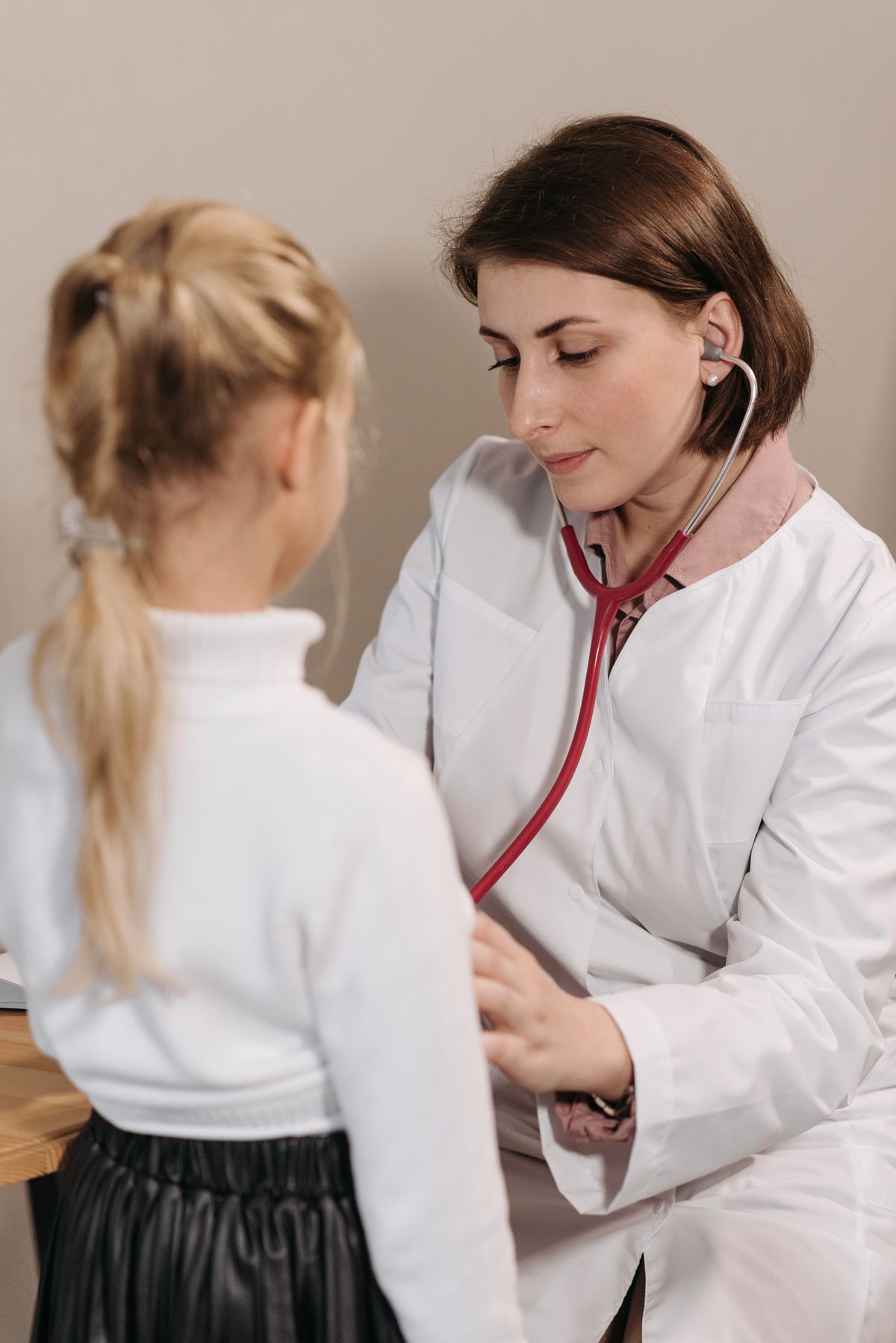
What Should You Do This Week?
Check your kitchen against the current recall list, especially broccoli sprouts. Keep up normal food safety habits: wash produce, cook meat to a safe temperature, and refrigerate leftovers promptly. And if anyone in your family develops the warning signs above, don’t wait to see if it passes. Call us. We can help you figure out quickly whether it’s something to ride out at home or something we should see in the office.
Call DocTalker Family Medicine. We can help you sort out whether it’s routine food poisoning or something that needs a same-week visit, often before you even have to guess.
Frequently Asked Questions
How do I know if it’s food poisoning or a stomach virus?
Food poisoning symptoms usually start within hours to a few days of eating contaminated food, while a stomach virus like norovirus often spreads through a household over a few days. Either way, the warning signs for when to seek care are the same: high fever, bloody stools, or signs of dehydration.[4]
Should I throw away food if I’m not sure it’s part of a recall?
Check the product against current FDA and CDC recall notices before eating it. If you can’t verify it, it’s safer to throw it out or return it to the store than to risk it.[3]
Are these new outbreaks connected to the Cyclospora outbreak from this summer?
No. The Cyclospora outbreak linked to lettuce was declared over by the CDC in September. The current Salmonella, Listeria, and E. coli outbreaks are separate and still under investigation.[5]
When should a child with diarrhea or vomiting see a doctor?
Call your pediatrician if a child has bloody diarrhea, a fever above 102°F, signs of dehydration (dry mouth, no tears, fewer wet diapers), or symptoms that don’t improve after a couple of days: children get seriously ill from foodborne illness more easily than adults.[6]
References
- CIDRAP – “More recalls as US faces several foodborne illness outbreaks”
- Food Safety News – “FDA identifies two new outbreaks”
- CDC – “Investigation Update: Salmonella Outbreak, September 2026 (Broccoli Sprouts)”
- Medical Daily – “Salmonella Newport Cases Climb to 97 as Federal Investigators Still Cannot Name the Contaminated Food Source”
- CNN – “Cyclospora outbreak declared over by the CDC”
- HealthyChildren.org (AAP) – “Foodborne Illnesses Prevention for Families”
- CDC – “Facts About Food Poisoning”