
Key takeaways
- Experts are warning that flu season may start early this year and are urging vaccination now.1
- The CDC recommends a flu vaccine every season for everyone 6 months and older, ideally by the end of October.2
- Protection takes about two weeks to build, so earlier is better than waiting for the first outbreak.2
- Most people can get flu and COVID-19 vaccines at the same visit, and your doctor can help you decide what fits you.3
One of the most talked-about health stories this week is a simple one: flu season may be arriving ahead of schedule. News outlets and public health experts are urging people to get vaccinated now rather than later.1,4 That is useful advice, and it is also a good reminder of why we believe in being proactive. A few minutes of planning today can save a family a rough few weeks this winter.
Why does it matter that flu season might start early?
Flu season often peaks between December and February, but it can begin in the fall and last into May.3 If the virus starts spreading in your community sooner than usual, anyone who has not yet been vaccinated is exposed for longer. And because antibodies take about two weeks to develop after your shot, waiting until you hear that flu is “going around” can leave you unprotected right when you need protection most.2
When is the best time to get a flu shot?
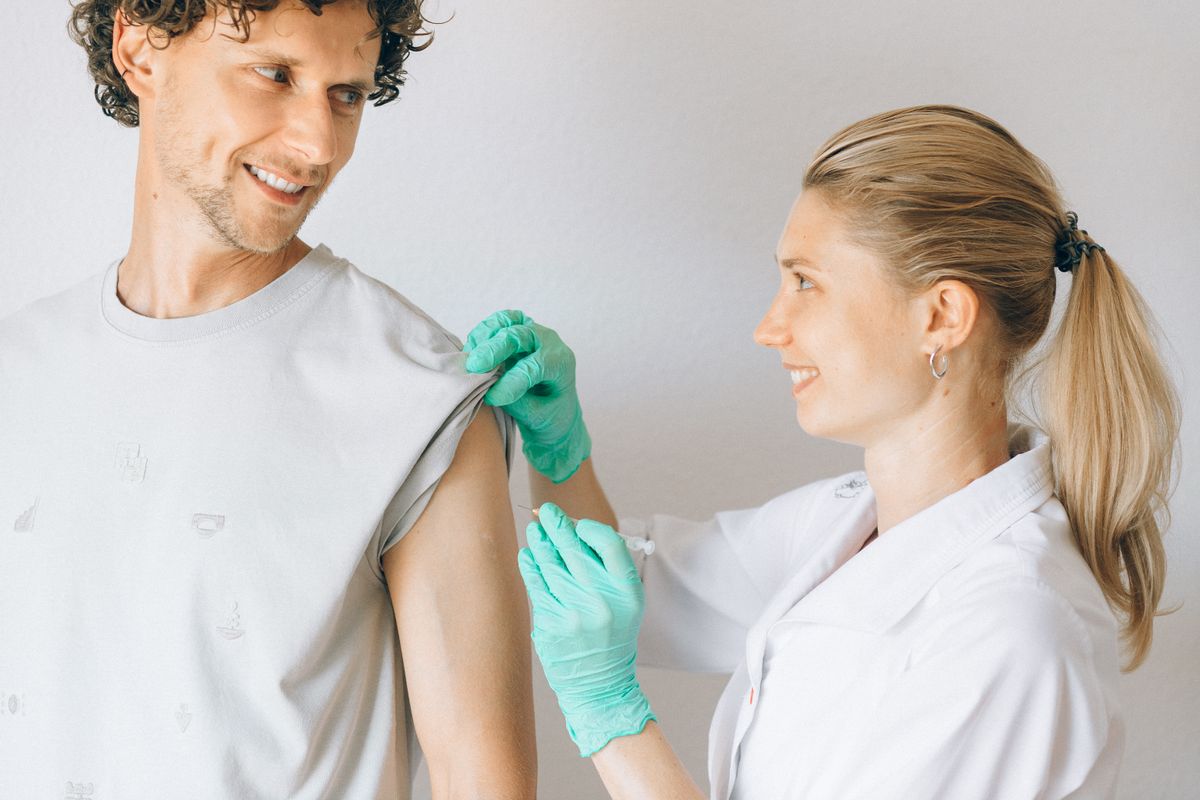
According to the CDC, September and October are generally the best months, and the goal is for everyone to be vaccinated by the end of October.2 That puts most of us right in the window today. Getting vaccinated in July or August is usually too early for adults, because protection can fade over the season, especially in people 65 and older.2 If you miss October, do not skip it. Vaccination later in the season still helps.3
Who should get vaccinated?
The CDC recommends a flu vaccine every season for everyone 6 months and older, with rare exceptions.2 Some people deserve extra attention:
- Young children. Kids 6 months to 8 years may need two doses, given at least four weeks apart. The first should happen as soon as vaccine is available.2
- Pregnant women. Vaccination helps protect newborns during their first months, before they can be vaccinated themselves. The nasal spray is not recommended during pregnancy.2
- Adults 65 and older. The CDC preferentially recommends higher-dose or adjuvanted options for this group.2
- People with chronic conditions. Those at higher risk of complications benefit most from being vaccinated.2
Does the flu vaccine really help if I still get sick?
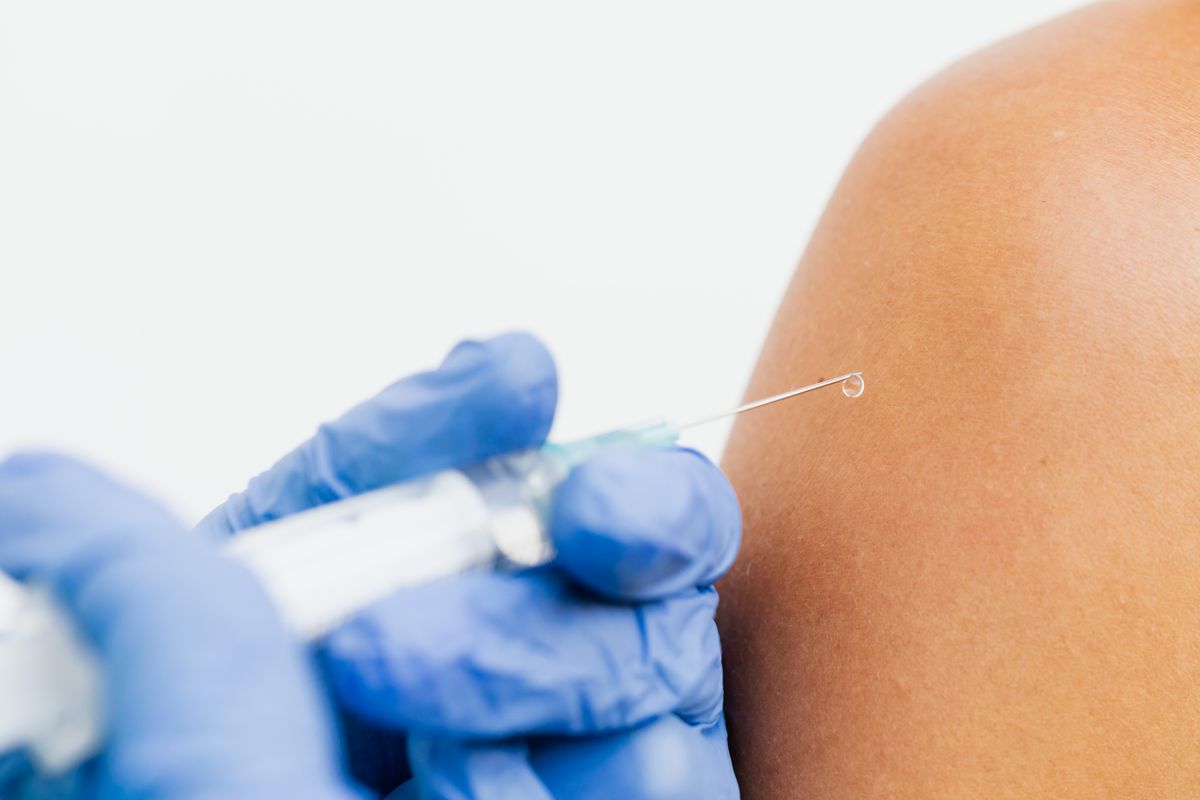
Yes, it can. The vaccine does not work perfectly every year, and how well it works depends on the season, how closely the vaccine matches circulating viruses, and your age and health.2 But it reduces the risk of flu illness, hospitalization, and flu-related death. In one 2021 study, adults who still got the flu after vaccination had a 26% lower risk of ICU admission and a 31% lower risk of dying from it.2
Can I get flu, COVID-19, and RSV vaccines together?
For most people, yes. Johns Hopkins Medicine notes that flu and COVID-19 vaccines can usually be given at the same visit, typically in different arms, and RSV vaccine can also be given at that visit if you are eligible.3 Which of these you need depends on your age, health, and pregnancy status, which is exactly the kind of question we like to answer in a quick conversation.

How does direct access to your doctor help during flu season?
When someone in your family wakes up with a fever and aches, waiting days for an appointment is the last thing you want. At DocTalker, you can call or text your physician directly, and we hold time for same-week visits so small problems do not turn into big ones. We can talk through whether it sounds like flu, whether you need to be seen, and which steps to take at home.
We also make vaccine decisions together. Tell us about your health, your worries, and your schedule, and we will build a plan that makes sense for you, in plain language.
Ready to get ahead of flu season?
Call or text our office today to talk about your family’s flu, COVID-19, and RSV vaccines. We will help you pick the right timing and get you in this week.
Frequently asked questions
When should I get my flu shot?
September and October are generally best, ideally by the end of October. If you miss that window, getting vaccinated later in the season still helps.
How long does it take for the flu vaccine to work?
Antibodies develop about two weeks after vaccination, so it is best to get your shot before flu starts spreading in your community.
Do children need more than one dose?
Some do. Children 6 months to 8 years may need two doses at least four weeks apart. Your doctor can tell you whether your child needs one or two.
Can I get my flu and COVID-19 vaccines at the same visit?
Most people can. They are usually given in different arms, and your doctor can help you decide which vaccines are right for your age and health.
References
- U.S. News & World Report. Flu Season May Be Starting Early; Experts Say Get Vaccinated Now. October 7, 2026.
- Centers for Disease Control and Prevention. Key Facts About Seasonal Flu Vaccine.
- Johns Hopkins Medicine. 2026-27 Flu, COVID-19 and RSV Vaccine Recommendations.
- KFF Health News. Morning Briefing, October 8, 2026.
This post is general information, not personal medical advice. Please talk with your physician about your family’s needs.