
Key takeaways
- On November 9, 2026, the FDA required every GLP-1 medicine, including Ozempic, Wegovy, Mounjaro and Zepbound, to warn about NAION, a rare eye condition that can cause sudden vision loss in one eye.
- The risk is very small: about 6 cases per 100,000 people per year on a GLP-1, compared with fewer than 4 per 100,000 on other treatments.
- Do not stop your medicine on your own; for most people, the heart, blood sugar and weight benefits still clearly outweigh this rare risk.
- If you suddenly lose vision, see a blind spot or notice colors look washed out in one eye, contact your doctor right away, the same day.
If you take Ozempic, Wegovy, Mounjaro, Zepbound or another GLP-1 medicine, you may have seen this week's headlines about "sudden blindness." It is one of the most talked-about health stories right now, from the evening news to social media to our own text inbox.5 We want to give you the calm, clear version: what the FDA actually said, how worried you should be, and what to do next.
What did the FDA announce?
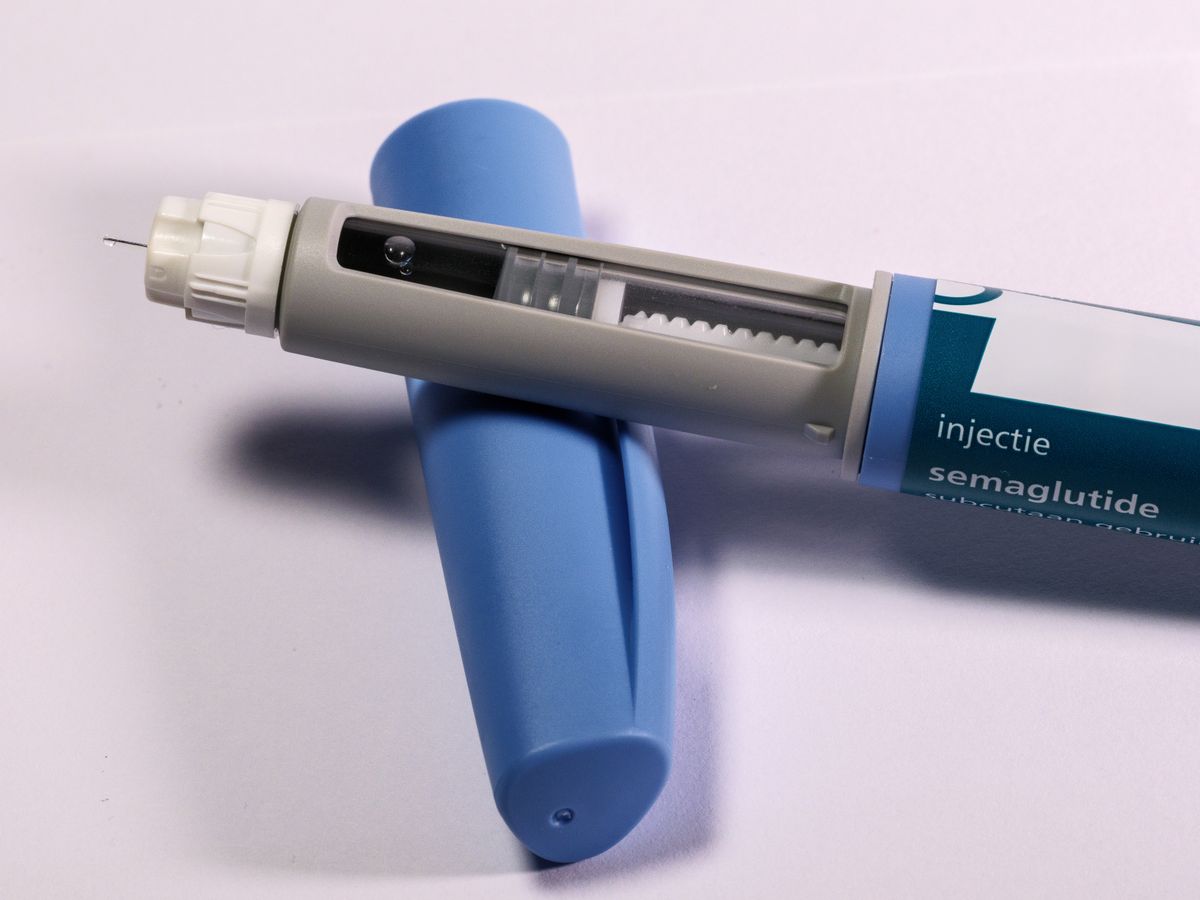
On November 9, the FDA announced it is requiring the makers of all GLP-1 receptor agonist medicines to add a new warning to their labels about a rare eye condition called non-arteritic anterior ischemic optic neuropathy, or NAION.1 The requirement covers the whole class, whether the drug is prescribed for diabetes or for weight loss. That includes semaglutide (Ozempic, Wegovy, Rybelsus), tirzepatide (Mounjaro, Zepbound), liraglutide, dulaglutide and the newer pill options.3
FDA scientists began looking into this after a 2024 study in JAMA Ophthalmology found a possible link between semaglutide and NAION.4 The agency then reviewed more than 125 clinical trials and its own safety reports before deciding a warning was warranted.2
What is NAION, and how rare is it?
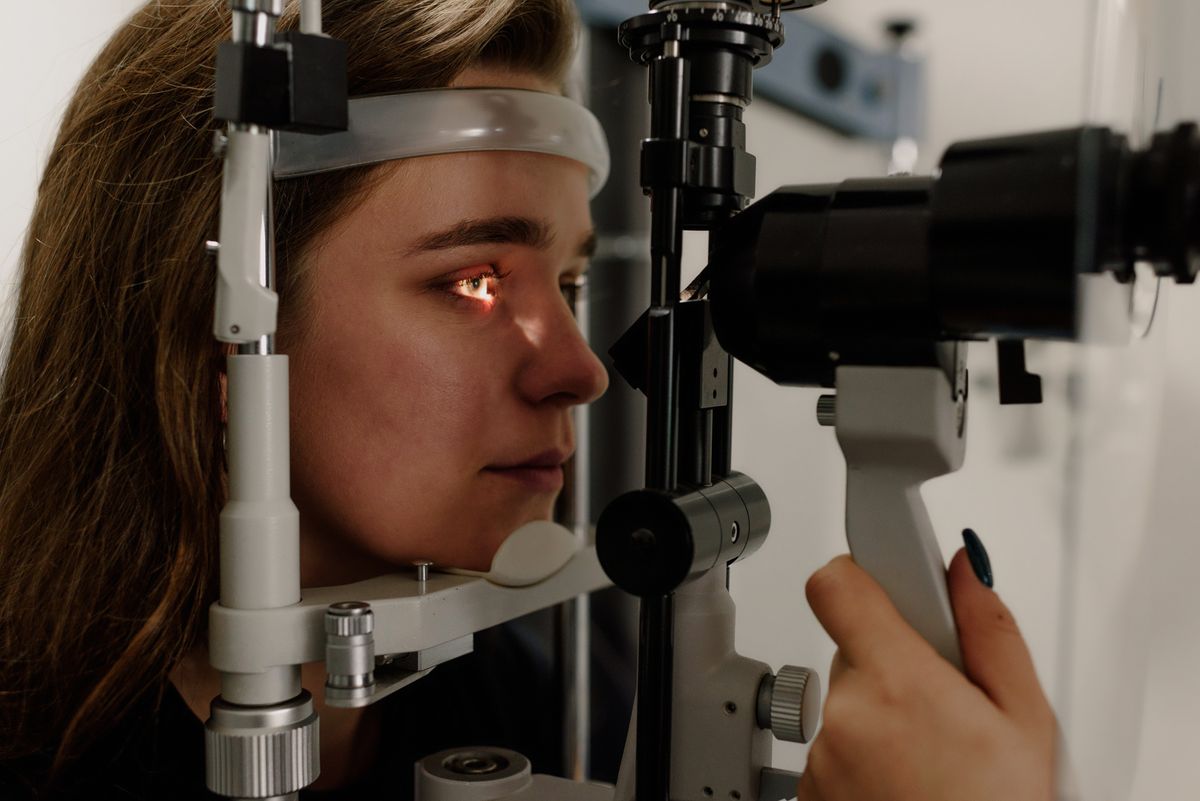
NAION happens when blood flow to the optic nerve, the cable that connects your eye to your brain, drops suddenly. The result is usually painless vision loss in one eye, often noticed when you wake up. Sometimes it shows up as blurriness, a dark patch or blind spot, or colors that look dull. Unfortunately, the vision loss can be permanent.1
Here is the important part: it is rare. In the FDA's analysis, about 6 out of every 100,000 people taking a GLP-1 for a year developed the condition, compared with fewer than 4 out of 100,000 on placebo or other diabetes medicines.2 The FDA also noted that many people who take these medicines already have NAION risk factors, such as diabetes, high blood pressure and sleep apnea, which makes the exact role of the drug hard to pin down.3
Should I stop taking my GLP-1 medicine?
For most people, no, and please do not stop on your own. These medicines lower blood sugar, help with weight loss and, for many patients, reduce the risk of heart attack and stroke. Those benefits are large and common. The eye risk is real but small. The right answer depends on you, and that is a conversation, not a headline.
That said, a few people deserve a closer look. If you have had NAION before, the FDA advises talking with your prescriber about whether to continue.1 The same goes if you have several risk factors, such as smoking, untreated sleep apnea, poorly controlled blood pressure, anemia or kidney disease. We can review your whole picture together and decide on a plan that fits your goals.
What warning signs should I watch for?
Call or text your doctor the same day if you notice any of these, especially in one eye:1
- Sudden loss of vision or a dark curtain over part of your sight
- A new blind spot or tunnel vision
- Colors that suddenly look faded or washed out
- Blurry central vision that does not clear when you blink
Speed matters. A doctor who knows you can quickly arrange an urgent eye exam, check for other causes like a stroke, and help you decide what to do with your medicine.
How can direct primary care help?
Medication news can feel scary when you cannot reach anyone to ask about it. At DocTalker, you can call or text your own physician, usually get an answer the same day, and be seen the same week. We will go over your risk factors, make sure your blood pressure, sleep and blood sugar are well managed, and connect you with an eye specialist when needed. Every decision about your treatment is made with you, not for you.

Taking a GLP-1 and have questions about this warning?
Call or text your DocTalker physician today. We will review your medicine, your risk factors and your goals with you, and if you ever notice a sudden change in your vision, reach out right away so we can get you seen fast.
Frequently asked questions
Do Ozempic and other GLP-1 drugs cause blindness?
GLP-1 medicines may slightly raise the risk of NAION, a rare eye condition that can cause sudden, sometimes permanent vision loss in one eye. It affects about 6 in 100,000 users per year, so most people will never experience it.
Which medicines does the new FDA warning cover?
The warning applies to all GLP-1 receptor agonists, including semaglutide (Ozempic, Wegovy, Rybelsus), tirzepatide (Mounjaro, Zepbound), liraglutide, dulaglutide and exenatide.
Should I stop my GLP-1 medicine because of this warning?
Do not stop on your own. For most people the benefits outweigh this rare risk. Talk with your doctor, especially if you have had NAION before or have risk factors like sleep apnea or high blood pressure.
What should I do if my vision suddenly changes?
Contact your doctor immediately, the same day, if you notice sudden vision loss, a blind spot, faded colors or blurry central vision in one eye. Quick evaluation helps rule out other emergencies like stroke.
References
- U.S. Food and Drug Administration. MedWatch Alert: FDA Requires Safety Labeling Changes for GLP-1 Receptor Agonists Due to Potential Increased Risk of Rare But Serious Eye Condition. November 9, 2026.
- Associated Press via MPR News. FDA adds rare vision-loss warning to popular GLP-1 drugs. November 9, 2026.
- NeurologyLive. FDA Requires NAION Warning Across GLP-1 Receptor Agonist Class. November 13, 2026.
- Hathaway JT, et al. Risk of Nonarteritic Anterior Ischemic Optic Neuropathy in Patients Prescribed Semaglutide. JAMA Ophthalmology. 2024.
- CNN Health. FDA warns weight loss drugs may increase risk of sudden vision loss. November 10, 2026.