
Key Takeaways
- The CDC did not issue updated national guidance for COVID-19 or RSV vaccines this fall, leaving families without one clear government source to check.
- Major medical groups, including the American Academy of Pediatrics, have released their own science-based recommendations for children, adults, pregnant people, and immunocompromised patients.
- The government’s default position is called “shared clinical decision-making” — in plain terms, it means the choice now runs through a conversation with your own doctor, not a blanket national schedule.
- The safest move this fall is a direct conversation with your primary care physician about your age, health history, and risk factors, not a search engine or a pharmacy flyer.
If you tried to find a simple answer this fall about whether you or your child needs a flu shot, a COVID booster, or an RSV vaccine, you may have come away more confused than when you started. That is not bad luck. It reflects a real gap in national guidance. For the first time in years, the CDC has not issued fresh seasonal recommendations for COVID-19 or RSV vaccines, leaving pediatricians, family doctors, and parents to sort through a patchwork of competing advice.1 Here is what is actually going on, and why it should change how you plan your family’s fall health visit.
Why Didn’t the CDC Issue New Vaccine Guidance This Fall?
Earlier this year, the CDC narrowed its recommendations for several childhood vaccines and reclassified flu, COVID-19, and rotavirus shots under a new category called “shared clinical decision-making.” In practice, that phrase means there is no longer a single default recommendation handed down from the federal government. Instead, the decision is meant to happen between you and your provider, case by case.1 Going into this fall and winter respiratory season, the agency has not issued updated COVID-19 or RSV guidance at all, and its flu guidance simply carried over unchanged from last year.1 For a public used to a single, clear seasonal recommendation, that silence has been unsettling.
Who Is Filling the Gap, and What Are They Recommending?
Doctors did not wait for Washington. This September, four major medical and public health groups released their own independent, evidence-based recommendations, each covering a different population: children, healthy adults, pregnant people, and people with weakened immune systems.2 The American Academy of Pediatrics went further, publishing a 2026 immunization schedule that keeps protection against 18 diseases intact, compared with the federal schedule’s 11, and continues to recommend COVID-19 vaccination for children ages 6 to 23 months and for older children in higher-risk groups.3 As one group of doctors put it, they are “filling a void” left by federal health agencies, drawing on the same clinical evidence they always have.1,4

What Does “Shared Clinical Decision-Making” Actually Mean for You?
In practice, shared clinical decision-making means there is no default answer waiting for you online. It means the right vaccine schedule for a healthy 8-year-old, a pregnant patient, a grandparent with diabetes, and a newborn are genuinely different conversations, not one national bulletin. It also means the conversation has to be initiated — by you. Most insurance plans still cover these visits and the vaccines themselves, but you are the one who has to pick up the phone and ask.
Not sure what you or your child actually needs this fall? Don’t guess, and don’t rely on a pharmacy flyer. Call or text our office and we’ll go through your health history together, one on one, and get you on the schedule — often within the same week.
So Which Vaccines Do You Actually Need This Fall?
Despite the confusion at the federal level, the major medical societies are largely in agreement on the broad strokes. A flu shot is recommended for essentially everyone 6 months and older.2 COVID-19 and RSV vaccination recommendations vary more by age and individual risk: young children, pregnant people, adults 60 and older, and anyone who is immunocompromised or has a chronic condition like heart or lung disease sit at the top of the priority list.2,3 Respiratory illness activity is already climbing in parts of the country this season, which is one more reason not to put this decision off.5 The honest answer to “what do I need” almost always depends on details only your own doctor has: your age, your pregnancy status, your chronic conditions, and what you were given last year.
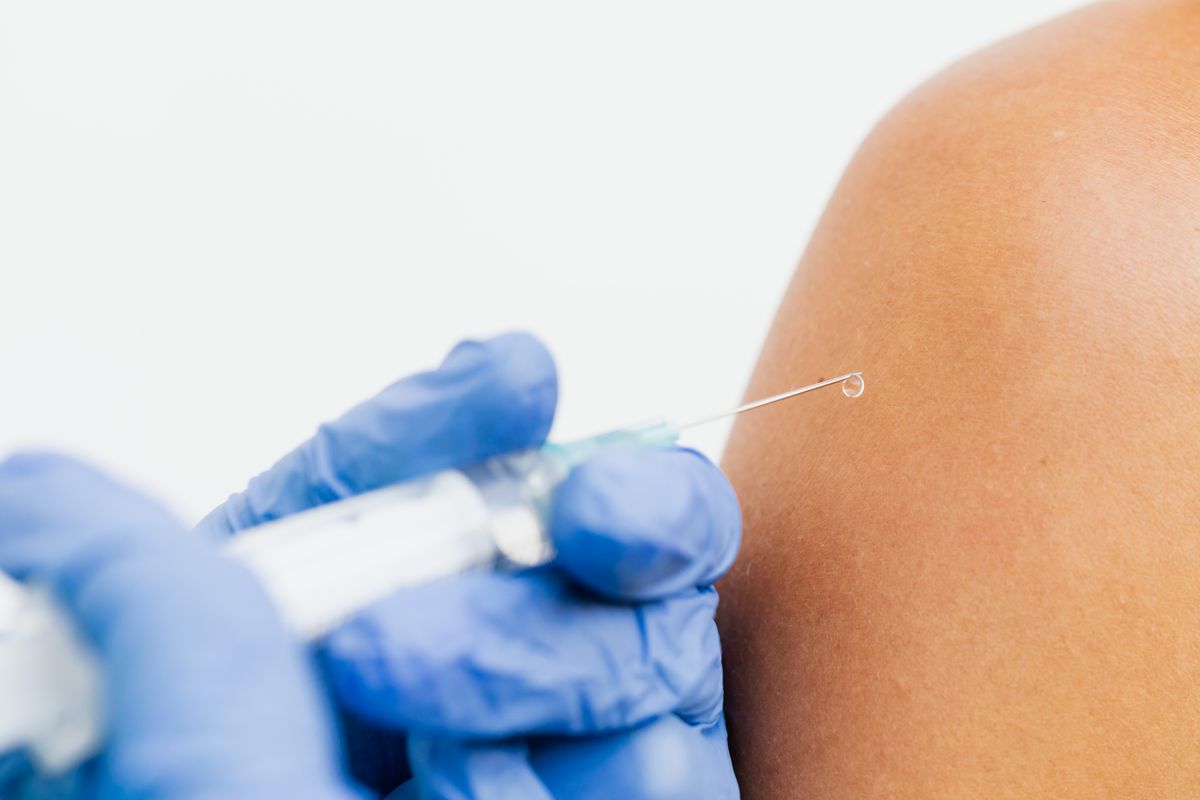
This is exactly the kind of moment proactive primary care exists for. You should not have to piece together guidance from a CDC webpage, a pediatrician’s association statement, and a comment thread to figure out how to protect your family this winter. A quick call or text to your own doctor, someone who already knows your history, gets you a straight answer and, often, a same-week appointment to act on it.

Frequently Asked Questions
Do I still need a flu shot this year even though the CDC didn’t update its guidance?
Yes. Every major medical group, including the CDC’s own carried-over guidance, continues to recommend an annual flu shot for everyone 6 months and older, regardless of the broader guidance gap.2
Is the COVID-19 vaccine still recommended for young children?
The American Academy of Pediatrics recommends COVID-19 vaccination for children ages 6 to 23 months, along with older children who have risk factors, even though the federal schedule has scaled back its own recommendation.3
Why does my doctor’s advice sound different from what I saw on the news or read online?
Because the CDC shifted flu, COVID-19, and rotavirus vaccination into a “shared clinical decision-making” category rather than issuing a blanket national recommendation, professional medical societies have stepped in with their own guidance based on the same underlying evidence, and individual doctors are applying it to each patient’s specific situation.1,4
How do I actually find out which vaccines are right for my family?
Call or text your primary care office directly. A short conversation about your age, pregnancy status, chronic conditions, and vaccine history is the fastest, most reliable way to get a real answer, and most practices can get you seen the same week.
References
- CNN: “Doctors say they’re filling a void left by CDC on vaccines,” September 2, 2026
- STAT News: “Medical experts release vaccination guidelines for fall, winter,” September 2, 2026
- AAP News: “AAP’s 2026 immunization schedule keeps routine recommendations intact after overhaul of federal schedule”
- NPR: “Pediatricians and health officials are sidestepping Trump’s CDC on vaccine advice,” July 30, 2026
- CDC: Respiratory Illnesses Data Channel