
- COVID-19 cases are climbing in nearly every state this August, driven by variants nicknamed “Stratus,” “Nimbus,” and “Cicada,” but this wave looks milder so far than last summer’s.
- If you have symptoms, test right away, and test again 48 hours later if the first result is negative — one negative test isn’t enough to rule it out.
- Stay home until at least 24 hours after your fever is gone (without medication) and symptoms are clearly improving.
- If symptoms are getting worse, you’re high-risk, or you just want a same-week answer instead of guessing, call or text DocTalker — we can often get you in fast enough to still qualify for antiviral treatment.
If it feels like everyone around you has a cough and a scratchy throat again, you’re not imagining it. COVID-19 test positivity crossed 3% in early August for the first time since March, and by mid-August it was closer to 5%, with cases rising in nearly every state14. The respiratory virus season everyone braces for in the fall hasn’t even started yet — this is a summer wave on its own1. Here’s what’s actually driving it, and what to do about it in your own household.
Is there really a COVID surge this summer?
Yes, though “surge” is relative. Three variants are circulating right now: XFG.1.1 (“Stratus”) and NB.1.8.1 (“Nimbus”) are driving most cases, with a more heavily mutated strain, BA.3.2 (“Cicada”), making up a growing share and showing some ability to dodge immunity from prior infection or last year’s vaccine5. The South and West are leading the way, which tracks with past summer patterns1. The encouraging part: this time last year, weekly positivity was over 9%. Right now it’s closer to 5%, and the wave is sending fewer people to the hospital so far1.
What symptoms should you actually watch for?
Fever or chills, cough, sore throat, congestion, fatigue, muscle aches, headache, and sometimes nausea or diarrhea — the list overlaps almost completely with a cold or the flu, which is exactly why testing matters more than guessing26. New loss of taste or smell still shows up in some cases, but it’s no longer the giveaway it once was6.

When should you test — and how many times?
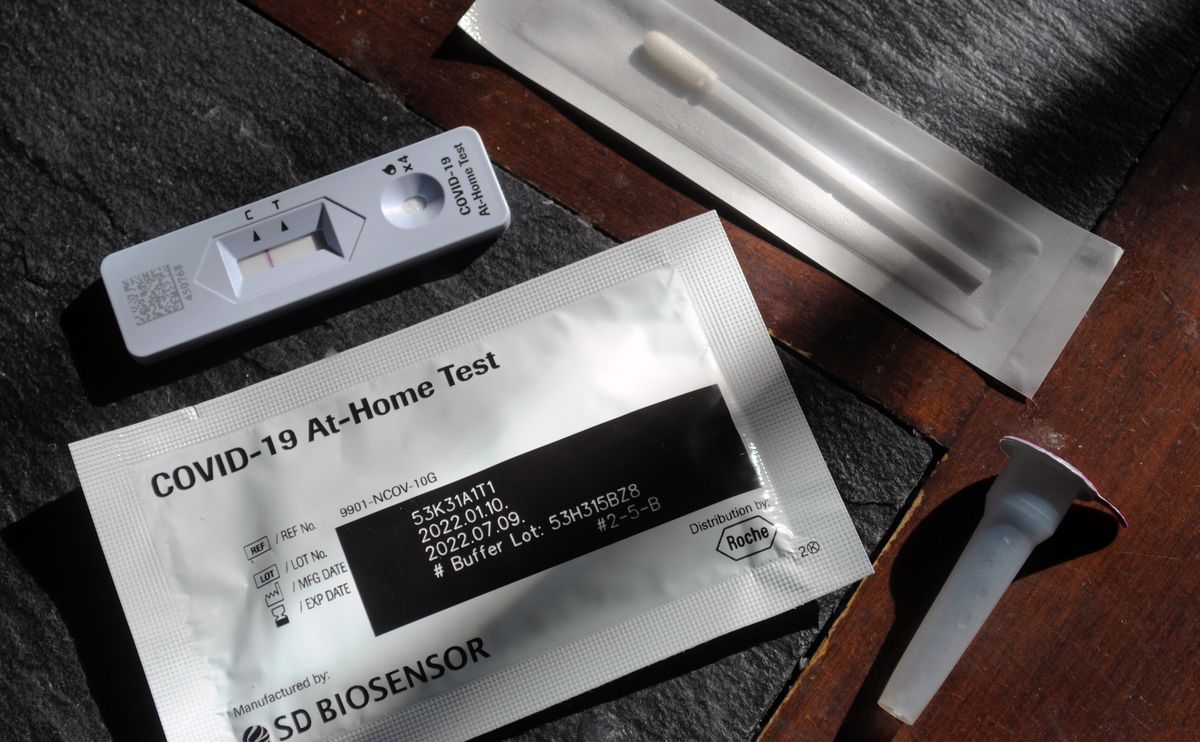
Test as soon as symptoms start. If that first rapid antigen test comes back negative, don’t stop there: the CDC recommends testing again about 48 hours later, since one negative test early in an infection can miss it7. If you don’t have symptoms, routine testing generally isn’t recommended7. It’s a small habit that makes a real difference — a single negative test on day one, taken alone, is one of the most common reasons people assume they’re in the clear and go back to work, school, or a family gathering while still contagious.
Do you need to isolate, and for how long?
If you test positive, stay home and away from others until it’s been at least 24 hours since your fever broke without medication and your symptoms are clearly improving overall7. That’s the same practical rule that applies to most respiratory illnesses, not just COVID, which makes it easier to remember. Once you’re back out and about, it’s still reasonable to mask around anyone high-risk for a few extra days and to catch up on rest rather than push straight back into a full schedule — most of what people describe as a slow recovery this wave is really just not giving their body the week it needed.
When is it time to call your doctor instead of riding it out?
Most healthy adults can manage a mild case at home. But a few situations are worth a same-week call to us rather than waiting it out: if you’re over 65, pregnant, or manage a chronic condition like asthma, diabetes, or heart disease; if symptoms are getting worse instead of better after several days; or if you test positive and want to ask about antiviral treatment, which works best when started within the first few days of symptoms. That last one is time-sensitive, and it’s exactly the kind of decision that goes better as a conversation with a doctor who already knows your health history, not a solo judgment call at 11 p.m.
Call or text our office. We can usually see you within the week, talk through your symptoms, and figure out — together — whether you need a test, treatment, or just some rest.

Frequently asked questions
Is this summer’s COVID wave worse than last year’s?
So far, no. Weekly test positivity is running lower than this time last year, and the current wave appears to be causing fewer hospitalizations1.
Do I need to test more than once?
Yes, if your first test is negative but you still have symptoms. Test again about 48 hours later, since an early negative result can be a false negative7.
How long should I stay home if I test positive?
Until at least 24 hours after your fever has resolved without medication and your other symptoms are clearly improving7.
Should I get antiviral treatment if I test positive?
It depends on your age, health history, and how soon after symptoms start you’re able to be seen — antivirals work best started early. Call your doctor promptly after a positive test to find out if you’re a candidate.
References
- CNN. “The traditional respiratory virus season hasn’t started, but Covid is already climbing.” cnn.com, Aug. 20, 2026.
- TODAY. “Summer COVID Surge? As Cases Rise, See 2026 Quarantine Guidelines, Symptoms to Watch.” today.com, 2026.
- NBC DFW. “A summer COVID surge? With cases rising in every state, watch for these symptoms.” nbcdfw.com, 2026.
- Medical Daily. “COVID Test Positivity Tops Three Percent for the First Time Since March as Surveillance Gaps Widen.” medicaldaily.com, Aug. 2026.
- Medical Daily. “CDC June 2026 Health Outlook: COVID Summer Surge Risk, West Nile Early Season, and Salmonella Moringa Alert.” medicaldaily.com, June 2026.
- CDC. “Symptoms of COVID-19.” cdc.gov.
- CDC. “Testing for COVID-19.” cdc.gov.